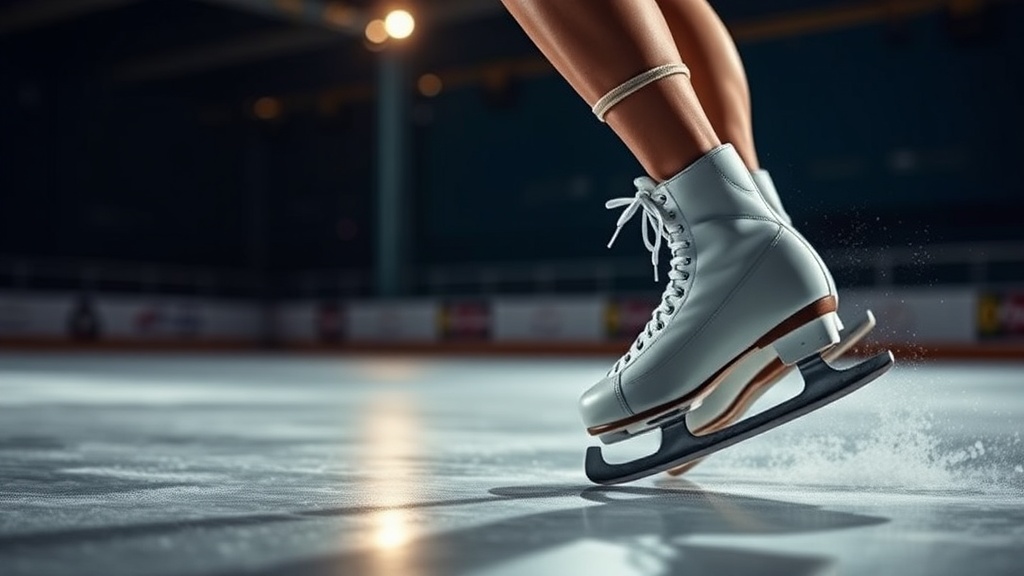
Unlock Your Stride: Ankle Mobility Secrets for Skaters

Did you know that limited ankle dorsiflexion, a key aspect of ankle mobility, can actually reduce your power transfer by up to 20% in dynamic activities like skating?
It's not just about sheer leg strength; how freely and effectively your ankles move directly dictates your stride efficiency, overall stability, and even your body's capacity to absorb those inevitable impacts. For us inline skaters, having flexible, responsive ankles isn't merely a perk—it’s absolutely critical for everything from executing precise turns to generating explosive pushes, all while helping sidestep those nagging injuries like sprains and strains. Let's dig into why your ankles deserve more attention and how to give it to them.
Why Do Ankles Get Stiff for Skaters?
Our ankles are complex joints, constantly adapting to uneven surfaces and dynamic forces when we skate. Repetitive motions, combined with restrictive skate boots, can lead to tightness in the calf muscles and surrounding connective tissues. Think about it: your skates stabilize your foot and ankle, which is good for support, but it can also limit the natural range of motion over time. If your calves are tight—maybe from long skating sessions or even just sitting a lot—they’re going to pull on your ankle joint, restricting its ability to move freely. This restriction often manifests as poor dorsiflexion (the ability to bring your toes closer to your shin), which is super important for a deep skate stride and responsive balance.
What Simple Moves Improve Ankle Flexibility?
Luckily, you don't need fancy equipment to reclaim your ankle's natural range. A few minutes a day can make a big difference.
- Knee-to-Wall Stretch: Stand facing a wall, placing one foot a few inches away. Keeping your heel flat on the ground, gently drive your knee forward towards the wall. Go as far as you can without lifting your heel, then hold for 15-20 seconds. Repeat 3-5 times per side. As you get more flexible, gradually move your foot further from the wall. This targets dorsiflexion beautifully. (Source: