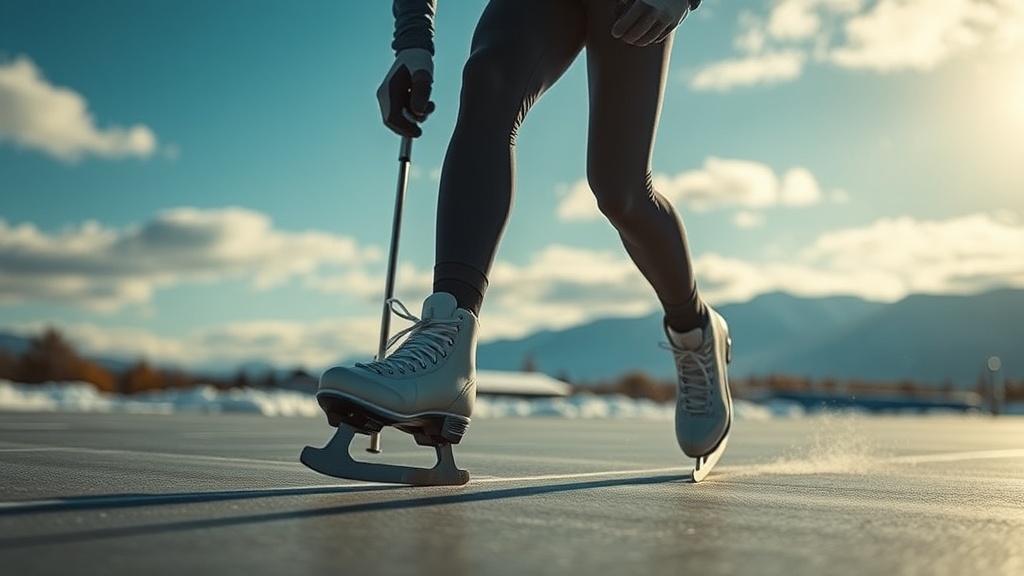
Preventing Muscle Cramps During Long Distance Skates

Why Your Muscles Cramp Mid-Skate
Many skaters assume that leg cramps are just a sign of being "out of shape" or that they simply need to push harder. This is a mistake. Muscle cramping during a long session isn't always about your cardiovascular fitness—it's often a physiological signal that your body is struggling with electrolyte depletion or improper muscle recruitment. If you've ever felt that sudden, violent contraction in your calves or quads while out on a long stretch of pavement, you know it's not just annoying; it's a session-ender. This guide looks at how to manage your internal chemistry and physical preparation to keep the wheels turning.
Most people reach for a sugary energy drink when they feel that first twinge, but that's often the wrong move. Cramping is frequently tied to the loss of sodium, magnesium, and potassium through sweat. If you're only drinking plain water, you might actually be diluting your blood's electrolyte concentration, making the problem worse. It's a delicate balance between hydration and salt replacement.
How do I stop leg cramps while skating?
The immediate answer involves a two-pronged approach: physical relief and chemical replenishment. When a cramp hits, you can't just power through it. You need to gently stretch the affected muscle—for example, pulling your toes toward your shin if your calf is seizing—and then immediately focus on what you're putting into your body. If you're mid-skate, look for electrolyte solutions that contain a balanced ratio of salts.
A good rule of thumb is to monitor your sweat rate. If you're a heavy sweater, your needs are much higher than the average person. You shouldn't wait until you're thirsty or cramping to start drinking. Proactive sipping is better than reactive gulping. You can find detailed breakdowns of electrolyte functions on sites like Healthline, which explains how these minerals keep your nerves and muscles firing correctly.
What are the best electrolytes for skaters?
Don't just look for "sports drinks" that are mostly high-fructose corn syrup. You want a formula that prioritizes sodium, potassium, and magnesium. Magnesium, in particular, is often overlooked by skaters, yet it plays a vital role in muscle relaxation. If you're deficient, your muscles stay in a state of high tension, making them much more prone to those painful spasms.
When choosing a supplement or drink, check the label for these specific components:
- Sodium: Helps maintain fluid balance and nerve signaling.
- Potassium: Works alongside sodium to regulate muscle contractions.
- Magnesium: Assists in muscle relaxation and prevents over-excitation.
- Calcium: Necessary for the actual contraction process itself.
For those who prefer a more natural approach, eating a banana or a handful of salted nuts during a break can provide a steady dose of these minerals without the massive sugar spike found in many commercial products.
Can I prevent cramps through better training?
Yes, and this is where many skaters fail. If your muscles aren't conditioned for the specific repetitive motions of inline skating, they will fatigue faster, leading to much earlier cramping. Strength training isn't just about looking good—it's about building a more resilient nervous system. If your muscles are strong, they can handle the repetitive eccentric and concentric loads of the skating stride much more effectively.
Focus on unilateral exercises. Since skating involves a repetitive stride where one leg often carries more weight or performs a specific push, exercises like single-leg deadlifts or Bulgarian split squats are incredibly helpful. These build the stability and strength needed to prevent the fatigue-induced spasms that often feel like a sudden cramp. According to the Sports Medicine resources, strengthening the stabilizing muscles around the ankle and knee can reduce the overall strain on the primary movers like the gastrocnemius.
Don't forget about the importance of mobility work. If your muscles are chronically tight due to a lack of flexibility, they will reach their limit much sooner during a long skate. Incorporating dynamic stretching before you hit the pavement and static stretching after your session can help maintain the range of motion required for a fluid stride. A tight muscle is a brittle muscle, and brittle muscles cramp.
| Mineral | Role in Skating | Source Example |
|---|---|---|
| Sodium | Fluid Retention | Salted pretzels, Electrolyte tablets |
| Potation | Nerve Function | Bananas, Coconut water |
| Magnesium | Muscle Relaxation | Dark chocolate, Spinach, Almonds |
Ultimately, staying ahead of the curve is the only way to ensure your long-distance sessions aren't cut short. Whether it's through smarter nutrition or more disciplined strength training, the goal is to make your body a more stable platform for your skates. If you're constantly fighting your own muscles, you'll never find that smooth, rhythmic flow that makes long-distance skating so rewarding.