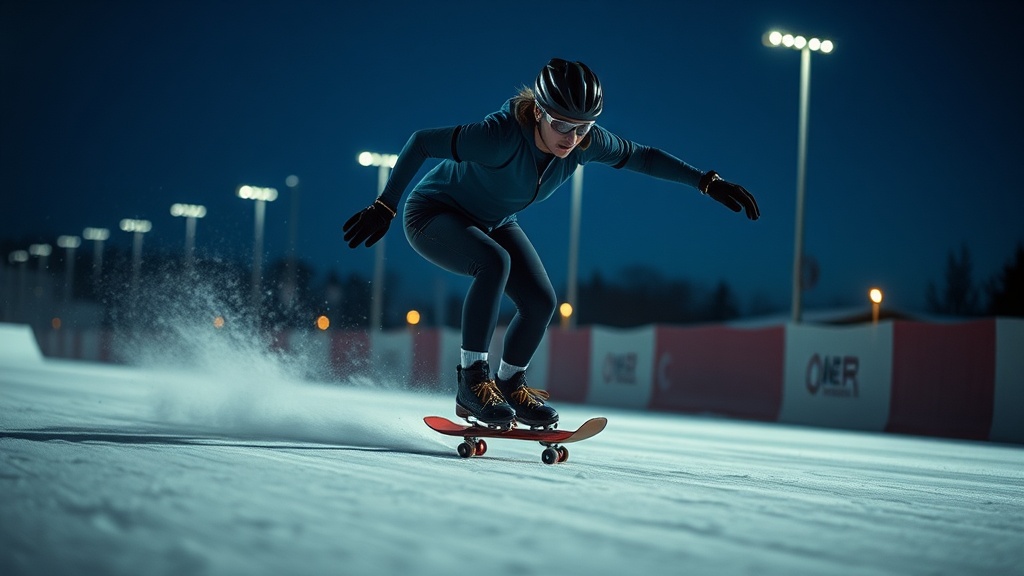
6 Recovery Rituals for Faster Muscle Reset After Long Skates

Contrast Water Therapy
Foam Rolling Techniques
Elevating Your Legs
Dynamic Stretching
Hydration and Electrolytes
Active Recovery Days
Are you staring at your sore quads and wondering why you can barely walk the morning after a heavy mileage session? Muscle fatigue and inflammation are the inevitable side effects of high-intensity inline skating, but they don't have to ruin your next skate day. This post breaks down six specific recovery rituals—from temperature therapy to targeted mobility—that help your body reset faster and reduce the downtime between long-distance sessions.
How can I reduce muscle soreness after skating?
Reducing muscle soreness requires a combination of active movement, proper hydration, and temperature manipulation to flush metabolic waste from your legs. When you spend hours on your wheels, your muscle fibers undergo micro-tears (which is totally normal) and your glycogen stores get tapped out. If you don't address this, you'll likely feel heavy and sluggish for days.
The first step is addressing the immediate inflammation. I've found that a combination of light movement and targeted cooling works better than just sitting on the couch. If you just stop moving entirely, your muscles will stiffen up—and that's a recipe for a bad session tomorrow.
1. The Power of Active Recovery
Don't just collapse on the sofa the second you get home. A very light, low-intensity movement session helps keep blood flowing to those tired legs. This could be a five-minute walk or some very gentle stretching. The goal isn't to work out; it's to keep the circulation moving so your body can repair itself.
I usually recommend a light spin on a stationary bike or even just a slow walk around the block. It's about movement, not effort. If you feel a sharp pain, stop. But if it's just that dull, heavy ache, a little movement is actually your friend.
2. Contrast Therapy and Cold Exposure
Cold exposure is one of the fastest ways to dampen systemic inflammation. After a long ride, your legs are essentially "hot" and inflamed. Using ice packs or even a cold soak can help constrict blood vessels and reduce swelling.
You don't need an expensive ice bath to see results. A simple cold shower or even just running cold water over your calves and thighs can make a massive difference. Some skaters swear by the cryotherapy method of alternating between hot and cold to force blood flow through the muscle tissue. It's uncomfortable, sure—but it works.
How much water do I need to drink after a long skate?
You should drink enough fluids to replace the weight lost through sweat, typically aiming for about 16–24 ounces of water for every pound lost during exercise. However, water alone isn't always enough when you've been grinding for two hours in the heat. You need electrolytes to actually absorb that hydration effectively.
If you've been sweating heavily, your sodium, potassium, and magnesium levels are likely depleted. This is why you might feel those weird muscle twitches or cramps late at night. Instead of just plain water, try an electrolyte solution. Brands like Liquid I.V. or even a simple salt-heavy snack can help your body hold onto the hydration.
It's also worth noting that hydration affects your muscle elasticity. Dehydrated muscles are more prone to injury and stiffness. If you find yourself struggling with foot fatigue, check out my previous post on fixing foot pain, as hydration plays a huge role in how your feet feel in your skates.
3. Targeted Foam Rolling and Myofascial Release
Using a foam roller is a staple for a reason. It helps break up adhesions in the fascia—the connective tissue surrounding your muscles. For skaters, the most important areas are the calves, the IT band, and the glutes. These are the heavy hitters during a long session.
Be careful with the pressure. You want to be firm, but if you're bruising yourself, you're going too hard. Use a tool like a Theragun if you want more precision, but a standard high-density foam roller is perfectly fine for most of us.
| Target Area | Tool to Use | Benefit |
|---|---|---|
| Calves | Foam Roller or Lacrosse Ball | Reduces tightness from constant ankle flexion |
| IT Band | High-Density Foam Roller | Prevents lateral knee pain |
| Glutes | Lacrosse Ball | Releases deep tension from push strokes |
| Quads | Foam Roller | Relieves heavy fatigue from endurance skating |
4. Compression Therapy
Compression isn't just for professional athletes; it's a practical tool for anyone doing high-impact or high-endurance sports. Wearing compression socks or even just tight leggings after a skate can help prevent blood pooling in the lower extremities. This encourages blood to return to the heart, which aids in the removal of metabolic byproducts.
I personally love throwing on a pair of compression sleeves right after I take my skates off. It feels like a gentle hug for your legs. It’s a small step, but it helps mitigate that "heavy leg" feeling the next day.
What are the best foods for muscle recovery?
The best foods for recovery are those that provide a balance of complex carbohydrates to replenish glycogen and high-quality protein to repair muscle tissue. You want to eat within 30 to 60 minutes after your skate to maximize the "anabolic window" where your body is most receptive to nutrients.
Don't overcomplicate it. A protein shake with a banana is great, but you can also go for more substantial meals. If you've been doing heavy distance work, you've burned a lot of fuel. You need to replace it. If you're looking for specific nutritional advice for your sessions, check out my guide on smart snacks for high energy.
5. Magnesium and Micronutrient Support
Magnesium is a heavy hitter in the world of recovery. It helps with muscle relaxation and can even improve sleep quality. Many skaters find that taking a magnesium supplement or an Epsom salt bath helps calm the nervous system after a high-adrenaline session. The warmth of the bath combined with the magnesium can be incredibly soothing.
It's not just about the big macros, though. Micronutrients like Vitamin C and antioxidants help fight the oxidative stress caused by intense physical exertion. Think colorful berries, leafy greens, and healthy fats. It's about giving your body the raw materials it needs to rebuild.
6. Sleep: The Ultimate Recovery Tool
You can use all the foam rollers and electrolyte drinks in the world, but if you aren't sleeping, you aren't recovering. Sleep is when your body does its most significant repair work. Growth hormone production peaks during deep sleep cycles, which is when your muscle fibers actually rebuild themselves.
Aim for 7–9 hours. If you're a heavy skater, your body's demand for sleep might even be slightly higher than a sedentary person's. If you find yourself waking up feeling unrefreshed, it's a sign that your recovery rituals—or your sleep hygiene—need work. This is often where the real progress happens. You don't get stronger during the skate; you get stronger while you sleep.
If you're feeling persistent pain in your lower limbs, it might not just be fatigue. Ensure you're also focusing on building ankle stability to ensure your structural integrity is holding up under the stress of long-distance sessions.